

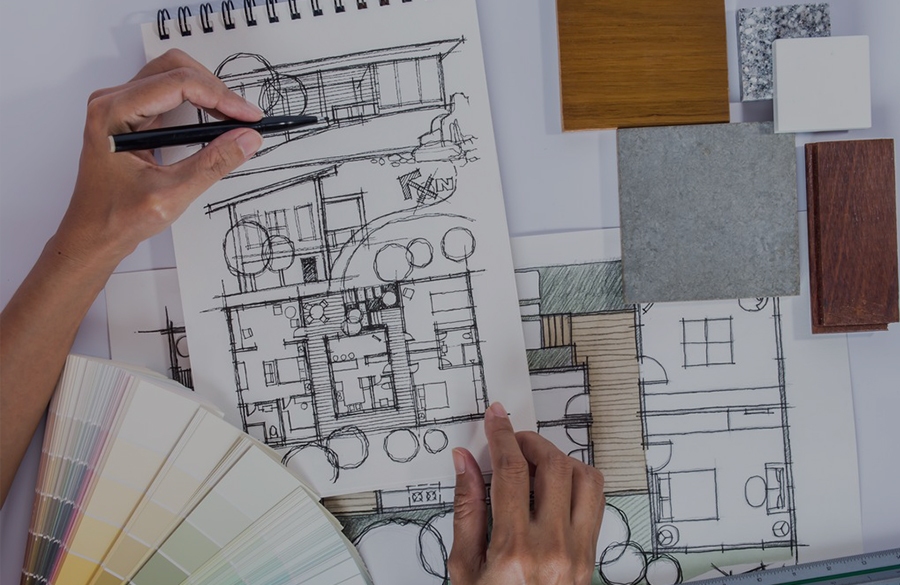
Are you passionate about creating beautiful and functional spaces? An Interior Design Course can help you turn your creativity into a rewarding career. Whether you want to design homes, offices, retail stores, hotels, or commercial spaces, interior design offers exciting opportunities in India’s growing design industry. This guide covers everything you need to know about interior design courses, including eligibility, duration, entrance exams, syllabus, top colleges, and career opportunities.
What is an Interior Design Course?
An Interior Design Course teaches students how to plan, design, and transform interior spaces using design principles, color theory, materials, furniture, lighting, and space planning techniques. The course combines creativity, technical knowledge, and practical design skills to create aesthetically pleasing and functional environments.
Interior Design Course Details
| Particulars | Details |
|---|---|
| Course Name | Interior Design Course |
| Duration | 1 to 5 Years |
| Eligibility | 10th, 12th or Graduation (depending on course level) |
| Course Types | Diploma, Bachelor’s Degree, Master’s Degree |
| Admission Process | Merit-based or Entrance Exam |
| Career Options | Interior Designer, Furniture Designer, Space Planner, Set Designer |
| Average Starting Salary | ₹3 LPA – ₹6 LPA |
Why Choose Interior Design Courses?
Interior designing is more than just decorating spaces. It’s about creating environments that enhance the quality of life and culture of the occupants. As an interior designer, you’ll have the opportunity to work on diverse projects, from residential homes to commercial spaces, and even hospitality and healthcare facilities.
Types of Interior Design Courses
Interior designing courses come in various formats, including diploma programs, undergraduate degrees, and postgraduate degrees. Here’s a breakdown of the most common types:
1. Diploma in Interior Design
Duration: 1-2 years
Eligibility: Completion of 10+2 from a recognized board.
Focus: Basic principles of interior design, space planning, color theory, materials, and furnishings.
Why Choose It: Ideal for those who want to start their career quickly and gain practical skills.
2. Bachelor of Design (B.Des) in Interior Design
Duration: 3-4 years
Eligibility: Completion of 10+2 from a recognized board. Some institutes may require entrance exams
like NID, NIFT, or UCEED.
Focus: Comprehensive study of design principles, architectural design, furniture design, and
sustainable design.
Why Choose It: Offers a solid foundation and a thorough understanding of interior design concepts.
3. Bachelor of Architecture (B.Arch)
Duration: 5 years
Eligibility: Completion of 10+2 with Physics, Chemistry, and Mathematics. Entrance exams like NATA or JEE Main Paper 2 are required.
Focus: Architectural design, building construction, and interior design.
Why Choose It: Provides a holistic understanding of architecture and interior design, opening up wider career opportunities.
4. Master of Design (M.Des) in Interior Design
Duration: 2 years
Eligibility: Bachelor’s degree in interior design or related field. Entrance exams like CEED may be required.
Focus: Advanced concepts in interior design, research methods, and design management.
Why Choose It: Ideal for those looking to specialize further and take on leadership roles in the industry.
Top Interior Designing Institutes in India
Here are some of the top institutes interior designing courses in India:
1. National Institute of Design (NID), Ahmedabad
2. CEPT University, Ahmedabad
3. Pearl Academy, Mumbai
4. Srishti Manipal Institute of Art, Design and Technology, Bangalore
5. UID (Unitedworld Institute of Design), Ahmedabad
6. Anant National University, Ahmedabad
7. Manipal School of Architecture and Planning (MSAP), Manipal
8. School of Design, UPES (University of Petroleum and Energy Studies), Dehradun
9. World University of Design, Sonipat
10. Amity University, Noida
Preparing for Interior Design Courses
To excel in interior designing courses, it’s crucial to prepare thoroughly. Here are some tips:
1. Develop Your Skills: Enhance your drawing, sketching, and CAD (Computer-Aided Design) skills. Practice designing spaces and experimenting with different styles.
2. Build a Portfolio: Create a portfolio showcasing your best work. This will be essential for admission interviews and job applications.
3. Research: Stay updated on the latest trends in interior design. Read design magazines, blogs, and books.
4. Internships: Gain practical experience through internships. This will give you hands-on knowledge and help you build a professional network.
Entrance Exams for Interior Design Courses
Some Interior design entrance exams require entrance exams. Here are the most common ones:
NID Entrance Exam: Conducted by the National Institute of Design for admission to various design courses.
NIFT Entrance Exam: Conducted by the National Institute of Fashion Technology for admission to design courses.
UCEED Entrance Exam : Undergraduate Common Entrance Examination for Design, conducted by IITs for admission to B.Des programs.
NATA Entrance Exam: National Aptitude Test in Architecture, required for B.Arch programs.
JEE Main Paper 2: Joint Entrance Examination for admission to B.Arch programs.
Interior Design Course Syllabus
The syllabus generally includes:
- Design Fundamentals
- Space Planning
- Interior Materials and Finishes
- Furniture Design
- Color Theory
- Architectural Drawing
- CAD and 3D Visualization
- Lighting Design
- Building Services
- Sustainable Design
- Design Project and Portfolio Development
Career Scope After Interior Design Course
Graduates can pursue careers as:
- Interior Designer
- Residential Designer
- Commercial Space Planner
- Furniture Designer
- Exhibition Designer
- Retail Design Consultant
- Set Designer
- Lighting Designer
- Interior Stylist
With experience, professionals can work independently, join design firms, or start their own interior design studio.
Career Prospects and Salary
After completing an iInterior Design Courses, you can pursue various career paths, including:
Interior Designer: Design and plan interior spaces for residential, commercial, and institutional projects.
Furniture Designer: Specialize in designing furniture and fixtures.
Exhibition Designer: Plan and design exhibition spaces and trade shows.
Set Designer: Create sets for films, television, and theater.
The salary for interior designers in India varies based on experience and expertise. Freshers can expect to earn between ₹3-6 lakhs per annum, while experienced designers can earn up to ₹15 lakhs or more per annum.
Embarking on a career in interior design is an exciting journey filled with creativity and opportunities. By choosing the right course and preparing effectively, you can build a successful career in this dynamic field. Remember to stay passionate, keep learning, and always strive for excellence.
Is Interior Design a Good Career?
Yes. Interior design is one of the fastest-growing creative careers in India. The demand for skilled designers continues to increase across residential, commercial, retail, hospitality, and workspace sectors.
If you enjoy creativity, visualization, problem-solving, and designing spaces, an Interior Design Course can open the door to a successful and rewarding career
Frequently Asked Questions
1. What is the eligibility for an Interior Design Course?
Most diploma and degree courses require completion of Class 12 from a recognized board.
2. Which entrance exam is required for Interior Designing?
NID DAT, NIFT, UCEED, CEED, NATA, and JEE Main Paper 2 are among the most popular NIFT entrance exams.
3. What is the duration of an Interior Design Course?
The duration ranges from 6 months for certificate programs to 5 years for architecture-related programs.
4. Can I pursue Interior Design after 10th?
Yes. Many institutes offer diploma and certificate courses after Class 10.
5. What is the average salary of an Interior Designer in India?
Fresh graduates typically earn between ₹3 lakh and ₹6 lakh per year, with higher salaries available as experience grows.